


The inaugural Policy Leaders Forum at MWC25 Shanghai brought together a diverse group of policymakers and regulators from 35 delegations spanning Latin America, Asia, the Middle East, Eurasia and Africa. With a packed agenda of roundtables, thought-provoking conference sessions, and curated networking experiences, the Forum served as a key platform for policymakers to shape the AI future, driven by digital connectivity and innovation.
Among the highlights of the Forum were visits to a cutting-edge 5G factory and a dedicated Capacity Building course for policymakers. However, it was the main stage discussions that truly captured the forward-looking spirit of the event.
Laying the foundation for an inclusive AI future
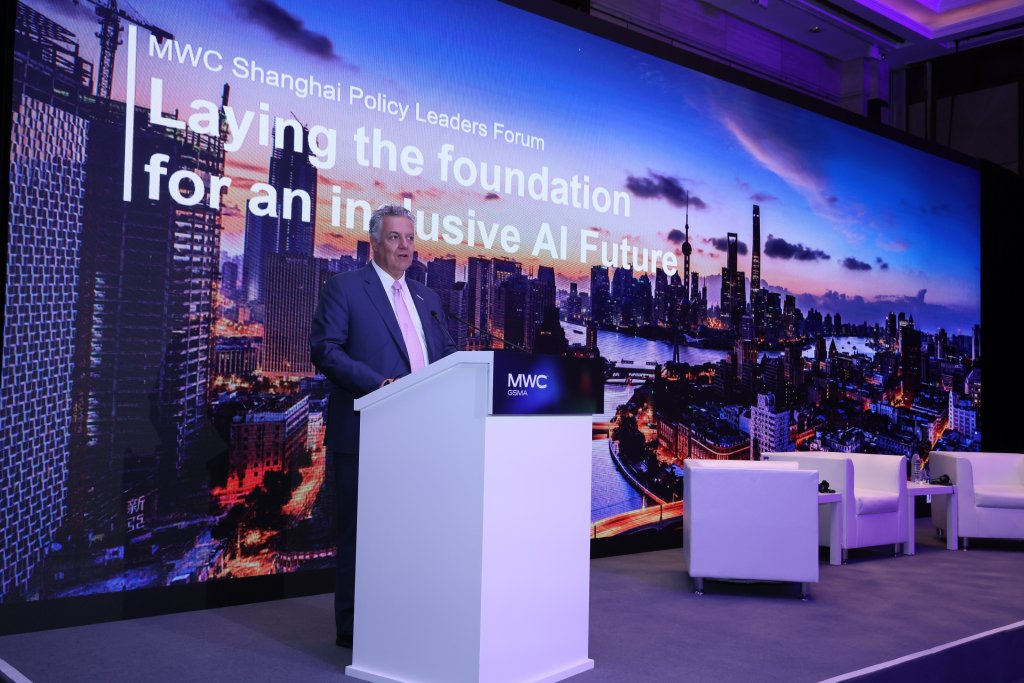

The opening session explored how governments and industry can harness artificial intelligence to drive growth while ensuring no one is left behind in the digital age.
John Giusti, Chief Regulatory Officer at the GSMA, opened the session by posing three essential questions that framed the conversation:
- How do we build a truly inclusive digital future?
Two of the biggest barriers to digital access remain affordability, particularly of mobile handsets, and a lack of digital skills and literacy. Addressing these barriers cannot be the responsibility of any one actor; it requires strategic collaboration across sectors. - What enabling policies are needed to foster digital innovation?
As AI becomes increasingly embedded in public services, education, healthcare, and financial systems, trust becomes paramount. Yet fragmented regulation, outdated governance, and growing cybersecurity threats threaten to undermine public confidence and slow innovation. - How do we ensure AI is developed responsibly and equitably?
Responsible AI is more than a regulatory checkbox—it is a business imperative. Trust, fairness, and transparency in AI systems are critical to encouraging user adoption and long-term success.
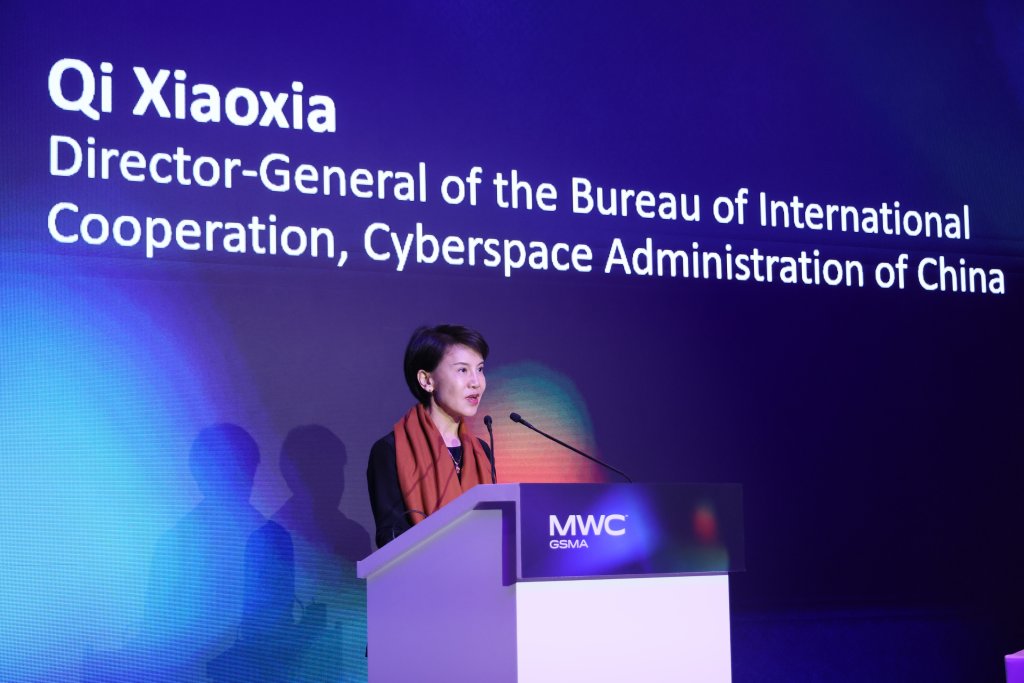
Qi Xiaoxia, Director-General of the Bureau of International Cooperation at the Cyberspace Administration of China, echoed the need for cross-border cooperation. She called for the promotion of open-source AI, investment in global AI infrastructure, and support for developing countries to strengthen their AI capabilities. She also stressed the importance of enabling small businesses and protecting the rights of vulnerable populations.
Aroldo Cedraz, Minister of the Brazilian Federal Court of Accounts, added that in today’s rapidly evolving landscape, AI literacy is becoming just as important as digital literacy. He called for universal and meaningful connectivity to empower people as full participants in the digital economy.
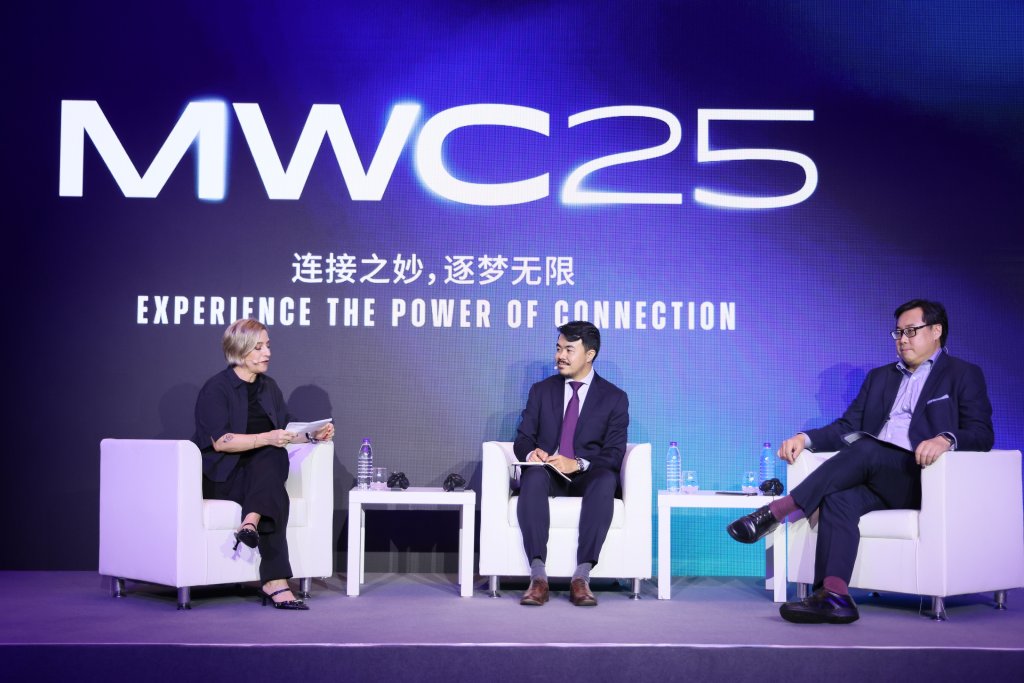
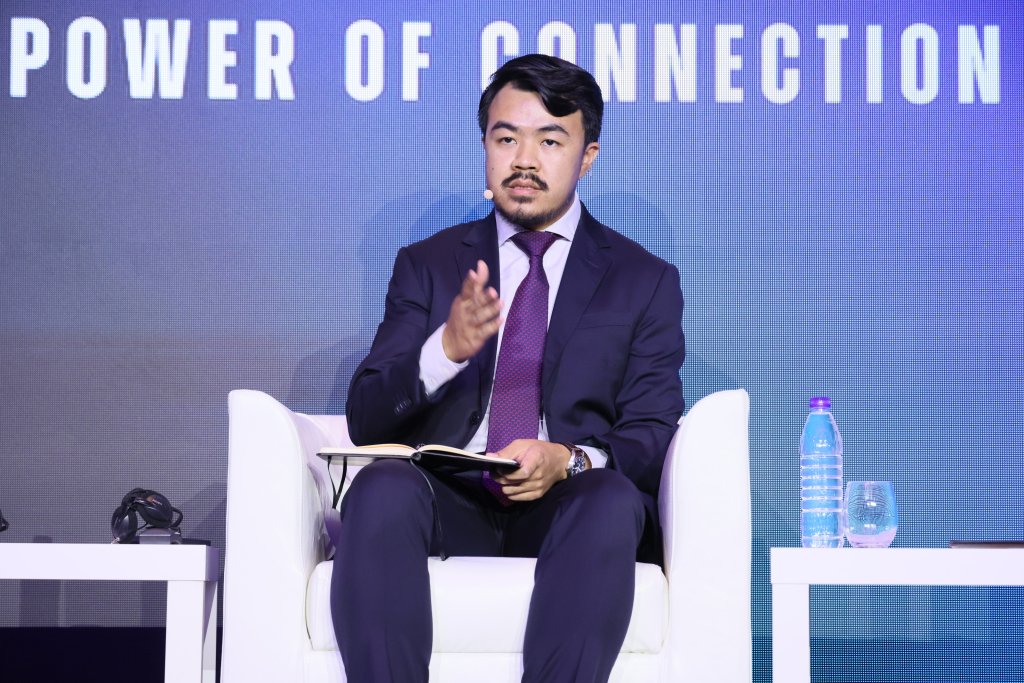

During the panel discussion, Sothie Keo, Secretary of State at Cambodia’s Ministry of Post and Telecommunications, and Chee Keong Foong, Group Chief Regulatory Officer at Axiata, highlighted barriers to AI and digital adoption in emerging markets. These include high device costs, limited AI literacy, and low levels of trust, particularly due to digital scams. The speakers underscored the importance of skills development, local content creation, and early AI education in schools. Cambodia, in particular, was cited as a success story in digital adoption, having made notable progress despite resource constraints.
A consistent message emerged: inclusive AI must be built on trust, cooperation, and policy frameworks that ensure access and opportunity for all.
6G for inclusive AI
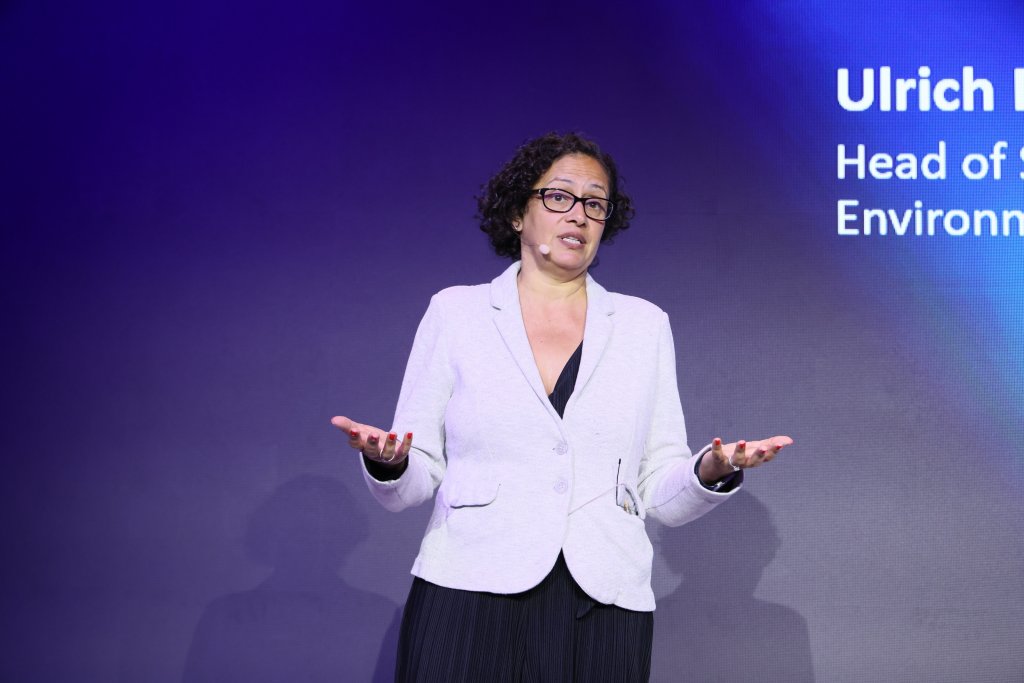
The second part of the session focused on the evolving relationship between AI and 6G networks, and the spectrum planning necessary to support both.
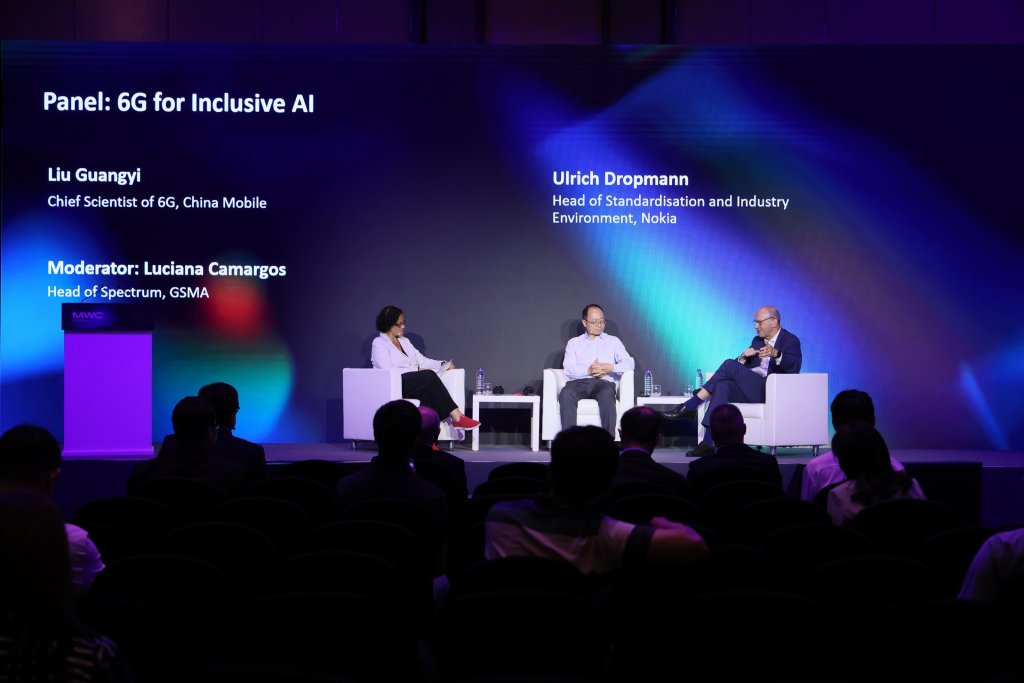
Luciana Camargos, Head of Spectrum at GSMA, emphasised that although 6G may seem far off, harmonised spectrum planning must begin now. Spectrum roadmaps take years to establish, and global coordination will be essential to ensure that 6G can deliver on its potential.
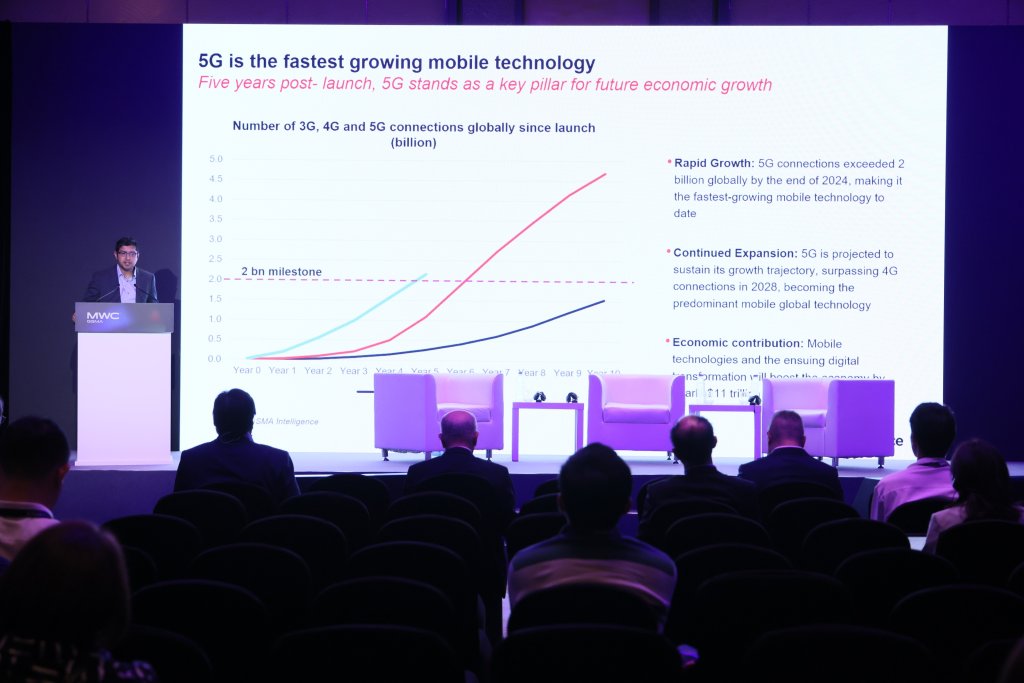
Kalvin Bahia, Senior Director of Economics at the GSMA, presented insights from the GSMA 5G Connectivity Index, noting that 5G is the fastest-growing mobile technology globally and is expected to become the dominant technology by 2028. Looking ahead to 6G in the 2030s, he described a future marked by ubiquitous connectivity, enhanced use cases, and greater integration of AI in mobile networks. AI will not only optimise network performance through improved spectral efficiency and resource management but also enable multi-RAT spectrum sharing.
A panel discussion featuring Ulrich Dropmann, Head of Standardisation of Nokia, and Liu Guangyi, Chief Scientist of 6G at China Mobile, delved into the network implications of future AI developments. With traffic demand projected to grow by 19–28% annually over the next decade, driven largely by AI, networks will need to become smarter and more adaptive. AI is already helping operators reduce energy use and cost through traffic compression and dynamic configuration. However, future applications like AI agents may dramatically reshape traffic patterns, becoming major network users themselves.
The discussion made clear that new spectrum bands, especially in the 6–8 GHz range, and wider 400 MHz channels will be critical to meeting 6G requirements. As technology continues to evolve at an unprecedented pace, this year’s Policy Leaders Forum highlighted one central truth: connectivity, inclusion, and innovation must be pursued together. Whether it’s developing policies that foster AI trust, investing in skills and infrastructure, or planning for a 6G future, governments and industry must move in concert to shape a digital future that is accessible, responsible, and equitable.